Platform comparison
| Platform | YES odds | NO odds | Fee | KYC | Settlement | |
|---|---|---|---|---|---|---|
Polymarket Deposit UK Pick polygram.ink |
18% | 82% | 0% (USDC on-chain) | No-KYC up to $1,500 | USDC, auto via UMA oracle | Open on Polymarket Deposit UK → |
Polymarket polymarket.com |
18% | 82% | 0% | Geo-blocked in US/UK/EU | USDC, on-chain | Open on Polymarket Deposit UK → |
Kalshi kalshi.com |
— | — | Up to 7% per trade | US-only, KYC required | USD | Open on Polymarket Deposit UK → |
Betfair Exchange betfair.com |
— | — | 2-5% commission | Full KYC from first trade | GBP / EUR | Open on Polymarket Deposit UK → |
Manifold Markets manifold.markets |
— | — | Play-money (mana) | None — play-money | Mana (no cash-out) | Open on Polymarket Deposit UK → |
Live odds for Polymarket-based markets come from the Polygon order book. Non-Polymarket venues show attributes only; clicking any row opens the market on Polymarket Deposit UK.
Market context
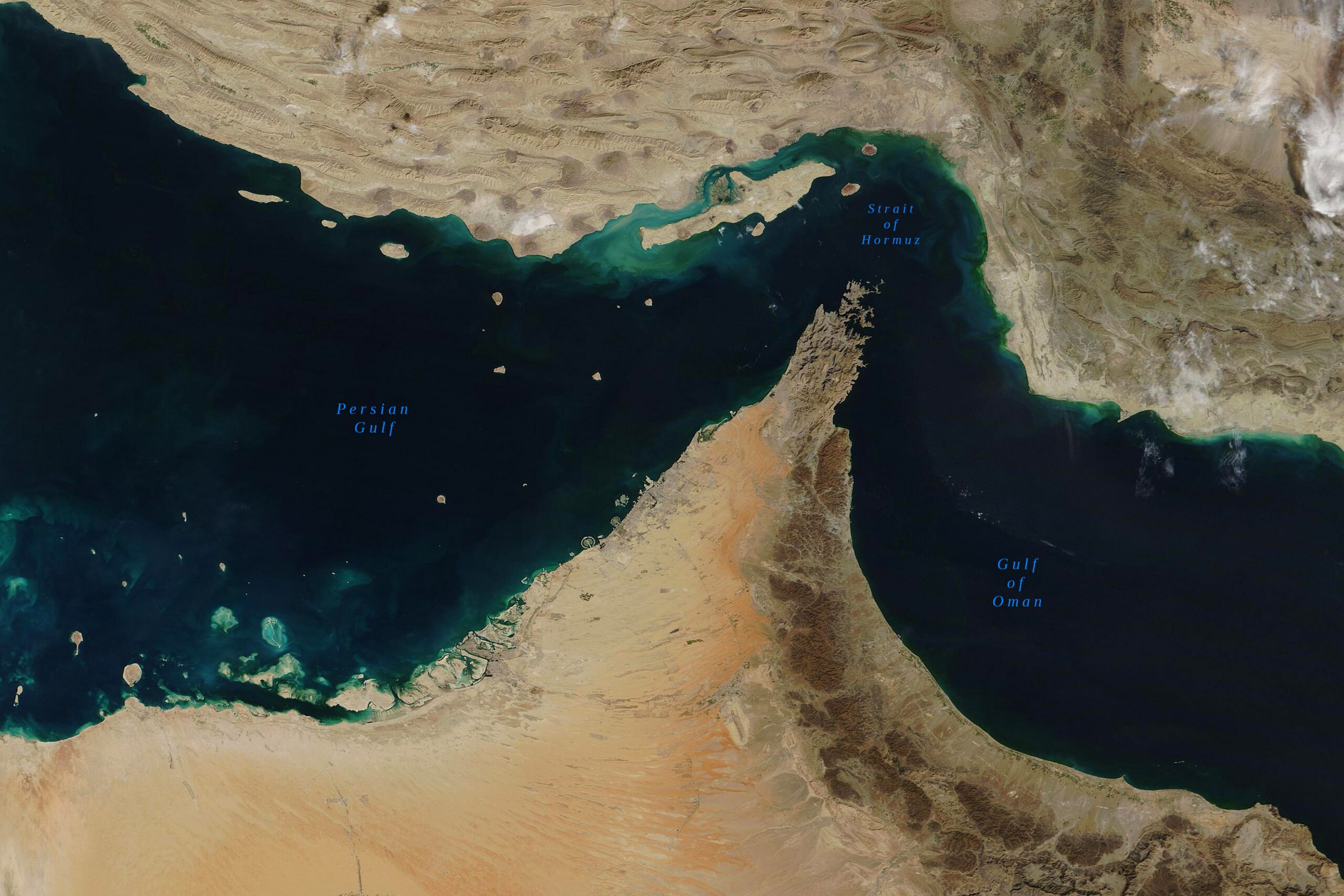
The Strait of Hormuz, through which roughly one-fifth of global seaborne oil passes, has experienced sustained disruption since late 2023 owing to Houthi attacks on commercial shipping and subsequent regional tensions. A return to "normal" traffic—defined here as a 7-day moving average of 60 or more daily transit calls across all vessel types—would signal either a material de-escalation in regional hostilities or a stabilisation of shipping patterns despite ongoing risk. The IMF Portwatch dataset, which tracks arrivals at key regional ports, provides the settlement mechanism; achieving this threshold by mid-June 2026 requires either a durable ceasefire or sufficient confidence among operators to resume pre-disruption routing and frequency.
Historical precedent suggests that shipping corridors rarely snap back to baseline after extended disruption. The Suez Canal blockage in March 2021 took approximately four months to clear fully, yet rerouting patterns persisted for quarters thereafter. More recently, the Red Sea disruptions that began in October 2023 have shown no signs of rapid normalisation; transit calls have remained depressed, with operators favouring longer, costlier routes around the Cape of Good Hope. The 17% implied probability reflects this structural inertia: even if hostilities cease, vessel operators typically require sustained evidence of safety before committing to the shorter passage.
Traders should monitor announcements from the Houthi movement, US naval operations in the region, and any diplomatic breakthroughs involving Yemen's government or regional powers. Insurance premiums and war-risk surcharges, tracked by Lloyd's and major brokers, serve as real-time confidence gauges. Funding flows into prediction markets tracking geopolitical risk remain sensitive to headline volatility; deposit friction on platforms accepting SEPA transfers or Klarna settlement can amplify or dampen liquidity during periods of heightened uncertainty, affecting book depth and settlement execution timelines.
Methodology
This page reviews Strait of Hormuz traffic returns to normal by June 15? across five venues. We show live odds for Polymarket-based markets (sourced from the Polygon order book); for other venues we list platform attributes, since the comparable contracts are not exposed via a public API on every venue. Every CTA points at Polymarket Deposit UK — the application we operate, where you trade directly against the Polymarket order book at 0% fees.
Resolution & payout
At resolution the UMA oracle takes over: a proposer posts the outcome with a bond, any token holder can dispute within two hours. Without dispute the result is accepted and the smart contract distributes USDC instantly.
On Kalshi (CFTC-regulated) resolution runs through their in-house clearing engine in USD. Betfair Exchange settles after match end in the account's local currency. Manifold pays no cash — only its in-platform "mana" currency.
FAQ
- How does resolution work?
- Through the UMA Optimistic Oracle on Polygon: a proposer submits the outcome, a two-hour challenge window opens, and USDC payouts settle automatically once the result is final.
- What's the difference between YES and NO shares?
- A YES share pays $1.00 if the event happens, $0 otherwise. A NO share pays $1.00 if the event doesn't happen. The market price between 0¢ and 100¢ is the implied probability.
- What does it cost to trade on Polymarket Deposit UK?
- Zero. Polymarket Deposit UK routes every order to the live Polymarket order book; the only cost is the Polygon network fee, typically under $0.01 per transaction.
- Do I need to KYC for this market?
- Not under $1,500 of lifetime trading volume. Above that threshold, Polymarket Deposit UK triggers a quick verification flow that finishes in minutes.
- How reliable are the quoted odds?
- The YES/NO percentages are the live mid-prices of the Polymarket order book. On deep markets they move every few seconds; on thinner ones you'll see short plateaus.
%22%2F%3E%3Cpath%20d%3D%22M%206%2066%20A%2026%2026%200%200%201%2058%2066%22%20fill%3D%22%23E6B98D%22%20opacity%3D%220.9%22%2F%3E%3Ccircle%20cx%3D%2232%22%20cy%3D%2226%22%20r%3D%2222%22%20fill%3D%22%23F5CBA7%22%2F%3E%3Cpath%20d%3D%22M%2010%2026%20A%2022%2028%200%200%201%2054%2026%22%20fill%3D%22%2310b981%22%20opacity%3D%220.9%22%2F%3E%3C%2Fsvg%3E) and
and%22%2F%3E%3Cpath%20d%3D%22M%206%2066%20A%2026%2026%200%200%201%2058%2066%22%20fill%3D%22%23E6B98D%22%20opacity%3D%220.9%22%2F%3E%3Ccircle%20cx%3D%2232%22%20cy%3D%2226%22%20r%3D%2222%22%20fill%3D%22%23F5CBA7%22%2F%3E%3Cpolygon%20points%3D%2216%2C18%2020%2C4%2024%2C18%22%20fill%3D%22%2310b981%22%2F%3E%3Cpolygon%20points%3D%2224%2C18%2028%2C3%2032%2C18%22%20fill%3D%22%2310b981%22%2F%3E%3Cpolygon%20points%3D%2232%2C18%2036%2C3%2040%2C18%22%20fill%3D%22%2310b981%22%2F%3E%3Cpolygon%20points%3D%2240%2C18%2044%2C4%2048%2C18%22%20fill%3D%22%2310b981%22%2F%3E%3C%2Fsvg%3E)
Trade Strait of Hormuz traffic returns to normal by June 15? on Polymarket Deposit UK
Live order book, 0% fees, USDC settlement in seconds.
Trade on Polymarket Deposit UK →