Platform comparison
| Platform | YES odds | NO odds | Fee | KYC | Settlement | |
|---|---|---|---|---|---|---|
Polymarket Deposit UK Pick polygram.ink |
0% | 100% | 0% (USDC on-chain) | No-KYC up to $1,500 | USDC, auto via UMA oracle | Open on Polymarket Deposit UK → |
Polymarket polymarket.com |
0% | 100% | 0% | Geo-blocked in US/UK/EU | USDC, on-chain | Open on Polymarket Deposit UK → |
Kalshi kalshi.com |
— | — | Up to 7% per trade | US-only, KYC required | USD | Open on Polymarket Deposit UK → |
Betfair Exchange betfair.com |
— | — | 2-5% commission | Full KYC from first trade | GBP / EUR | Open on Polymarket Deposit UK → |
Manifold Markets manifold.markets |
— | — | Play-money (mana) | None — play-money | Mana (no cash-out) | Open on Polymarket Deposit UK → |
Live odds for Polymarket-based markets come from the Polygon order book. Non-Polymarket venues show attributes only; clicking any row opens the market on Polymarket Deposit UK.
Active sub-markets
Market context
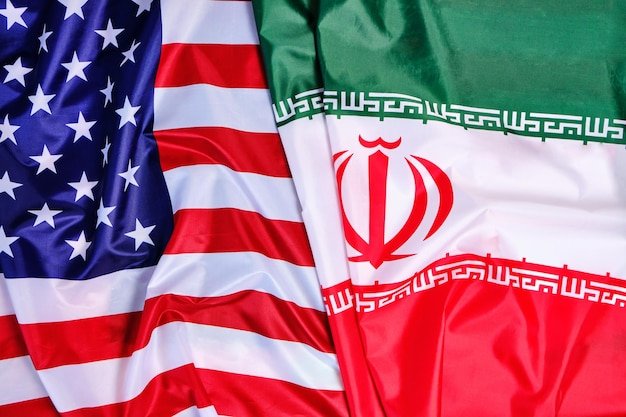
A binding agreement between the United States and Iran to permanently end military hostilities would represent a historic reversal of four decades of antagonism. Such a deal would need to address nuclear programme constraints, sanctions relief, regional proxy conflicts, and verification mechanisms—each a substantial negotiating barrier. The current 0% crowd probability reflects the absence of active diplomatic channels at scale and the structural misalignment between US and Iranian strategic interests, particularly regarding Israel, Gulf security architecture, and Tehran's regional influence.
Historical precedent offers limited optimism. The Joint Comprehensive Plan of Action (JCPOA) in 2015 addressed nuclear matters but collapsed in 2018 when the US withdrew; it never constituted a permanent peace deal and left underlying military tensions unresolved. The 1953 CIA-backed coup and subsequent 1979 revolution created institutional distrust that survives across both governments' security establishments. Comparable US-adversary reconciliations—China (1971–1979), Vietnam (1995)—took decades of preliminary engagement and required shifts in broader geopolitical alignment.
Catalysts to monitor include US presidential transitions (the 2024 election outcome shapes Iran policy direction materially), UN-brokered talks, or unexpected regional crises that force negotiation. Recent reporting from Reuters and AP indicates no substantive bilateral talks are scheduled. Traders should track statements from the Iranian Foreign Ministry and US State Department for any shift toward exploratory dialogue. Funding depth on this market remains thin; deposit friction via Klarna, SEPA, or USDC settlement will likely constrain participation unless major geopolitical movement occurs before the 2026 deadline.
Methodology
We track US x Iran permanent peace deal by 2026? on the five venues with material liquidity for prediction markets. Live odds come from the Polymarket Polygon order book — the only source that ships real-time data under an open licence. For Kalshi, Betfair and Manifold we list platform attributes (fee, KYC, settlement, payment) instead of fabricated odds, because their APIs use non-comparable contract definitions.
Resolution & payout
At resolution the UMA oracle takes over: a proposer posts the outcome with a bond, any token holder can dispute within two hours. Without dispute the result is accepted and the smart contract distributes USDC instantly.
On Kalshi (CFTC-regulated) resolution runs through their in-house clearing engine in USD. Betfair Exchange settles after match end in the account's local currency. Manifold pays no cash — only its in-platform "mana" currency.
FAQ
- Is this market available outside the US?
- Polymarket Deposit UK is available in most jurisdictions where Polymarket isn't directly accessible. Polymarket itself is geo-blocked in the US/UK/EU. Always check local regulations.
- How does resolution work?
- Through the UMA Optimistic Oracle on Polygon: a proposer submits the outcome, a two-hour challenge window opens, and USDC payouts settle automatically once the result is final.
- What's the difference between YES and NO shares?
- A YES share pays $1.00 if the event happens, $0 otherwise. A NO share pays $1.00 if the event doesn't happen. The market price between 0¢ and 100¢ is the implied probability.
- What does it cost to trade on Polymarket Deposit UK?
- Zero. Polymarket Deposit UK routes every order to the live Polymarket order book; the only cost is the Polygon network fee, typically under $0.01 per transaction.
- How reliable are the quoted odds?
- The YES/NO percentages are the live mid-prices of the Polymarket order book. On deep markets they move every few seconds; on thinner ones you'll see short plateaus.
%22%2F%3E%3Cpath%20d%3D%22M%206%2066%20A%2026%2026%200%200%201%2058%2066%22%20fill%3D%22%23E6B98D%22%20opacity%3D%220.9%22%2F%3E%3Ccircle%20cx%3D%2232%22%20cy%3D%2226%22%20r%3D%2222%22%20fill%3D%22%23F5CBA7%22%2F%3E%3Cpath%20d%3D%22M%2010%2026%20A%2022%2028%200%200%201%2054%2026%22%20fill%3D%22%2310b981%22%20opacity%3D%220.9%22%2F%3E%3C%2Fsvg%3E) and
and%22%2F%3E%3Cpath%20d%3D%22M%206%2066%20A%2026%2026%200%200%201%2058%2066%22%20fill%3D%22%23E6B98D%22%20opacity%3D%220.9%22%2F%3E%3Ccircle%20cx%3D%2232%22%20cy%3D%2226%22%20r%3D%2222%22%20fill%3D%22%23F5CBA7%22%2F%3E%3Cpolygon%20points%3D%2216%2C18%2020%2C4%2024%2C18%22%20fill%3D%22%2310b981%22%2F%3E%3Cpolygon%20points%3D%2224%2C18%2028%2C3%2032%2C18%22%20fill%3D%22%2310b981%22%2F%3E%3Cpolygon%20points%3D%2232%2C18%2036%2C3%2040%2C18%22%20fill%3D%22%2310b981%22%2F%3E%3Cpolygon%20points%3D%2240%2C18%2044%2C4%2048%2C18%22%20fill%3D%22%2310b981%22%2F%3E%3C%2Fsvg%3E)
Trade US x Iran permanent peace deal by 2026? on Polymarket Deposit UK
Live order book, 0% fees, USDC settlement in seconds.
Trade on Polymarket Deposit UK →