Platform comparison
| Platform | YES odds | NO odds | Fee | KYC | Settlement | |
|---|---|---|---|---|---|---|
Polymarket Deposit UK Pick polygram.ink |
9% | 91% | 0% (USDC on-chain) | No-KYC up to $1,500 | USDC, auto via UMA oracle | Open on Polymarket Deposit UK → |
Polymarket polymarket.com |
9% | 91% | 0% | Geo-blocked in US/UK/EU | USDC, on-chain | Open on Polymarket Deposit UK → |
Kalshi kalshi.com |
— | — | Up to 7% per trade | US-only, KYC required | USD | Open on Polymarket Deposit UK → |
Betfair Exchange betfair.com |
— | — | 2-5% commission | Full KYC from first trade | GBP / EUR | Open on Polymarket Deposit UK → |
Manifold Markets manifold.markets |
— | — | Play-money (mana) | None — play-money | Mana (no cash-out) | Open on Polymarket Deposit UK → |
Live odds for Polymarket-based markets come from the Polygon order book. Non-Polymarket venues show attributes only; clicking any row opens the market on Polymarket Deposit UK.
Market context
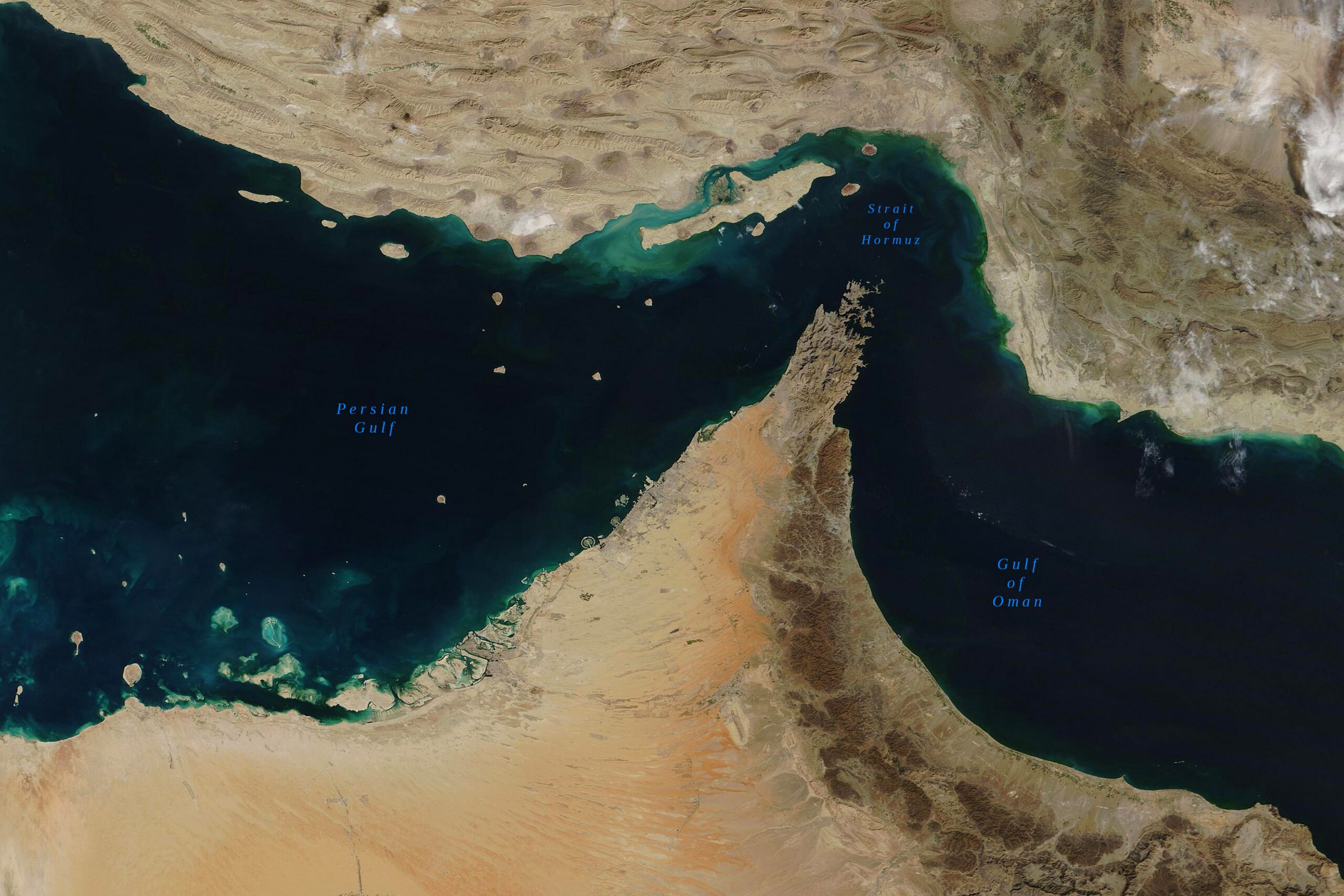
The Strait of Hormuz carries roughly one-fifth of global seaborne oil traffic. A 7-day moving average of 60+ daily transit calls would represent a return to pre-disruption baseline volumes; the strait currently registers roughly 20–30 transits daily according to recent IMF Portwatch data, reflecting sustained geopolitical tension and shipping rerouting via the Cape of Good Hope. The market settles affirmatively only if that threshold is breached by mid-June 2026.
Historical precedent suggests recovery timelines are measured in years rather than months. During the 2019–2020 tanker war and subsequent US–Iran sanctions escalation, Hormuz traffic fell sharply but took eighteen months to stabilise at reduced levels; full normalisation to 2018 volumes never occurred. The 9% implied probability reflects the structural difficulty of reversing both Iranian ballistic-missile strikes on shipping infrastructure and the commercial incentives that now favour longer but safer routing. Traders should note that IMF Portwatch data lags by 3–5 days and occasionally undergoes revision.
Watch for announcements from the US Fifth Fleet, Iranian Revolutionary Guard statements, or formal ceasefire agreements involving Gulf states. Any major incident—drone strikes, mine-laying, or vessel seizures—would extend the recovery window beyond June 2026. Conversely, a sudden diplomatic breakthrough or sanctions relief could compress timelines, though such shifts would need to reverse months of entrenched shipping-line routing decisions and insurance premium adjustments. Funding flows into this market depend on deposit rails; traders using SEPA transfers or Klarna on-ramps should verify settlement timings, as IMF Portwatch publication delays could affect final resolution dates.
Methodology
This page reviews Strait of Hormuz traffic returns to normal by June 15? across five venues. We show live odds for Polymarket-based markets (sourced from the Polygon order book); for other venues we list platform attributes, since the comparable contracts are not exposed via a public API on every venue. Every CTA points at Polymarket Deposit UK — the application we operate, where you trade directly against the Polymarket order book at 0% fees.
Resolution & payout
At resolution the UMA oracle takes over: a proposer posts the outcome with a bond, any token holder can dispute within two hours. Without dispute the result is accepted and the smart contract distributes USDC instantly.
On Kalshi (CFTC-regulated) resolution runs through their in-house clearing engine in USD. Betfair Exchange settles after match end in the account's local currency. Manifold pays no cash — only its in-platform "mana" currency.
FAQ
- How does resolution work?
- Through the UMA Optimistic Oracle on Polygon: a proposer submits the outcome, a two-hour challenge window opens, and USDC payouts settle automatically once the result is final.
- What's the difference between YES and NO shares?
- A YES share pays $1.00 if the event happens, $0 otherwise. A NO share pays $1.00 if the event doesn't happen. The market price between 0¢ and 100¢ is the implied probability.
- What does it cost to trade on Polymarket Deposit UK?
- Zero. Polymarket Deposit UK routes every order to the live Polymarket order book; the only cost is the Polygon network fee, typically under $0.01 per transaction.
- Do I need to KYC for this market?
- Not under $1,500 of lifetime trading volume. Above that threshold, Polymarket Deposit UK triggers a quick verification flow that finishes in minutes.
- How reliable are the quoted odds?
- The YES/NO percentages are the live mid-prices of the Polymarket order book. On deep markets they move every few seconds; on thinner ones you'll see short plateaus.
%22%2F%3E%3Cpath%20d%3D%22M%206%2066%20A%2026%2026%200%200%201%2058%2066%22%20fill%3D%22%23E6B98D%22%20opacity%3D%220.9%22%2F%3E%3Ccircle%20cx%3D%2232%22%20cy%3D%2226%22%20r%3D%2222%22%20fill%3D%22%23F5CBA7%22%2F%3E%3Cpath%20d%3D%22M%2010%2026%20A%2022%2028%200%200%201%2054%2026%22%20fill%3D%22%2310b981%22%20opacity%3D%220.9%22%2F%3E%3C%2Fsvg%3E) and
and%22%2F%3E%3Cpath%20d%3D%22M%206%2066%20A%2026%2026%200%200%201%2058%2066%22%20fill%3D%22%23E6B98D%22%20opacity%3D%220.9%22%2F%3E%3Ccircle%20cx%3D%2232%22%20cy%3D%2226%22%20r%3D%2222%22%20fill%3D%22%23F5CBA7%22%2F%3E%3Cpolygon%20points%3D%2216%2C18%2020%2C4%2024%2C18%22%20fill%3D%22%2310b981%22%2F%3E%3Cpolygon%20points%3D%2224%2C18%2028%2C3%2032%2C18%22%20fill%3D%22%2310b981%22%2F%3E%3Cpolygon%20points%3D%2232%2C18%2036%2C3%2040%2C18%22%20fill%3D%22%2310b981%22%2F%3E%3Cpolygon%20points%3D%2240%2C18%2044%2C4%2048%2C18%22%20fill%3D%22%2310b981%22%2F%3E%3C%2Fsvg%3E)
Trade Strait of Hormuz traffic returns to normal by June 15? on Polymarket Deposit UK
Live order book, 0% fees, USDC settlement in seconds.
Trade on Polymarket Deposit UK →